


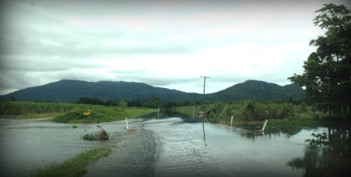
This is a summary of the published article Large-scale pesticide monitoring across Great Barrier Reef catchments – Paddock to Reef Integrated Monitoring, Modelling and Reporting Program

Key findings
- Pesticides, including mixtures of pesticides, widely contaminate catchments draining to Great Barrier Reef.
- Pesticide levels frequently exceeded safety thresholds, potentially impacting reef’s health and resilience.
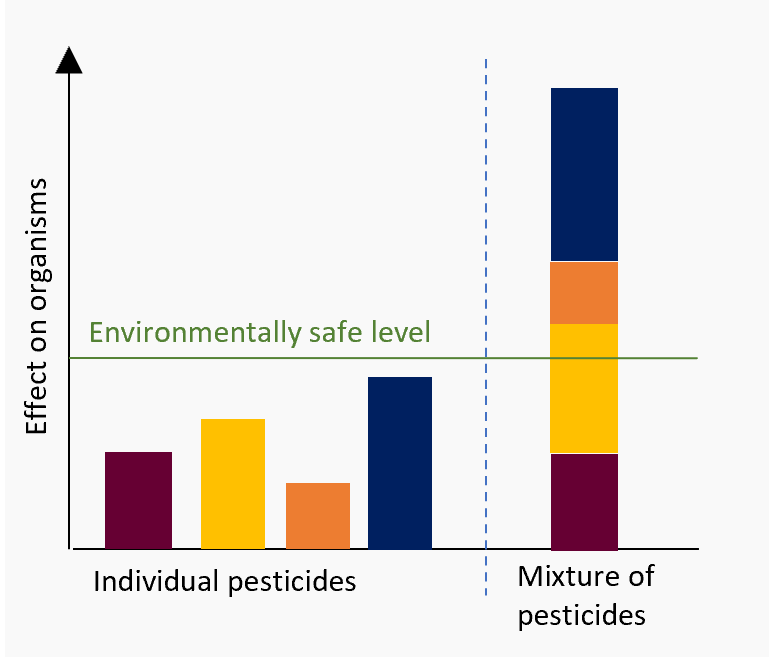
- Pesticide mixtures significantly increase toxicity risks that are severely underestimated when only considering individual pesticides.
When we saw how many pesticides were detected in rivers and how high the concentrations were… we knew this information needed to be published.
Author quote
Before the investigation, we knew that
There had been pesticide contamination detected in some freshwater and marine habitats linked to the Great Barrier Reef, most likely transported from agricultural areas, through creeks and rivers, and then out to the marine areas.
Herbicides are most common; they affect seagrass and corals, which are important food and habitat areas for many animals including fish, dugongs and sea turtles.
Fixing the problem requires changes to farming practices to reduce the amount of pesticides running off paddocks, which the Queensland and Australian governments are assisting landowners to do.
However
The full extent of pesticide contamination needed to be understood in order to successfully manage the contamination. For example, we needed to know how widespread the pesticide contamination was, the types of pesticides organisms were exposed to, if they were at toxic levels, and importantly if the ecosystems were being exposed to mixtures of pesticides at the same time.
Therefore
In 2009 a large-scale, long-term pesticide monitoring program was funded by the two governments to evaluate the success of the management interventions over time. The results from the first year of that monitoring were examined to assess the extent of the pesticide contamination.
Investigation methods
11 monitoring sites across 8 catchments with high agricultural land use

Water samples were analysed in a laboratory for a large range of herbicides and insecticides

Water samples were collected during the wet season of 2009-2010
What we discovered
Main results
Details
The main evidence supporting this:
Details
The main evidence supporting this:
Details
The main evidence supporting this:
recommendations
Science in Action
A behind the scenes look at the making of this research…
About these results
Scientific quality statement
Limitations of the study
Acknowledgements & funding
References
About The Author


Leave a comment